




Primer is not always necessary, and in many repaint situations, skipping it is perfectly fine. But use it on the wrong surface, or skip it when you shouldn't, and you'll be dealing with peeling, flashing, stain bleeding, or poor adhesion long before the paint should fail. To know when primer is truly necessary (and when it's a waste of time and money), you first need to understand what types of primers exist and what each one is designed to do.
When You Can Skip Primer
For most repaint projects where the existing surface is in solid condition, primer is not needed. You can safely skip it when all three of these are true:
- The existing paint is clean, dry, well-adhered, and not peeling or flaking
- The surface has a flat, eggshell, or satin finish, not glossy or oil-based
- You're applying a similar color (not dramatically lighter over a dark surface, and no visible stains)
In those cases, a quality self-priming latex paint applied directly over the existing coat is all you need. Spot-prime any bare patches, let them dry, and you're ready to roll.
If any of the above conditions is off including bare substrate, stains, gloss, or a significant color change, primer earns its place. The sections below cover exactly when that is, surface by surface.
When You Do Need Primer Before Painting: Surface-by-Surface Breakdown
When the surface falls outside the "skip it" conditions above, primer is the right call. Here's a breakdown by surface type. These are the same guides our Pittsburgh painting crews use in the field.
Drywall Primer
New/bare drywall is extremely porous and soaks up paint like a sponge and causes it to cover better in some areas than others; especially when you’re comparing drywall mud joints to the surrounding areas. Porous surfaces like drywall mud will cause visible differences in the final sheen of your paint called “flashing”.
To help achieve a consistent appearance with your final coat, when painting new drywall or over drywall patches it is always a good idea to first use a primer – and besides, using a quality drywall primer is typically much less expensive per gallon than using multiple coats of a quality interior latex paint.
Wood Primer
Bare wood is among the more difficult substrates for a paint topcoat to adhere to. In the past, there was no substitute for a good slow-drying oil-based primer on bare wood. It takes a long time to dry, allowing plenty of time for it to soak into the wood, and it sticks better than any other type of primer to wood.
Even though old-fashioned oil primer is still the best for this use, nobody likes to wait 24 hours for a primer to dry before they can topcoat it. So the paint manufacturers have developed new, faster-drying technology in both oil and latex-based products that dry quickly yet still aid in the proper adhesion of your paint topcoat.
If you don’t mind waiting for the slow dry time and don’t mind the hassle of working with solvent clean-up products, we would always recommend oil based wood primer. If you don’t want those hassles but have to paint bare wood, it is still worth the time to use a quality latex wood primer before applying your finish coats.
Pittsburgh note: Pittsburgh's climate - hot, humid summers followed by cold, wet winters - puts significant stress on exterior painted wood. The freeze-thaw cycle causes wood to expand and contract repeatedly, and without a proper primer creating a strong bond between the wood and the finish coat, paint will crack and peel faster than it should. If you're painting exterior wood trim, siding, or railings in the Pittsburgh area, don't skip the primer. It's what keeps the paint on through our winters.
Masonry Primer
There are several reasons why it is a good idea to apply a masonry primer before paint.
Some masonry surfaces can have a high pH level which will cause adhesion problems if you apply paint directly to the surface. A quality masonry primer will allow you to safely paint over a wider range of pH levels without risk of adhesion loss.
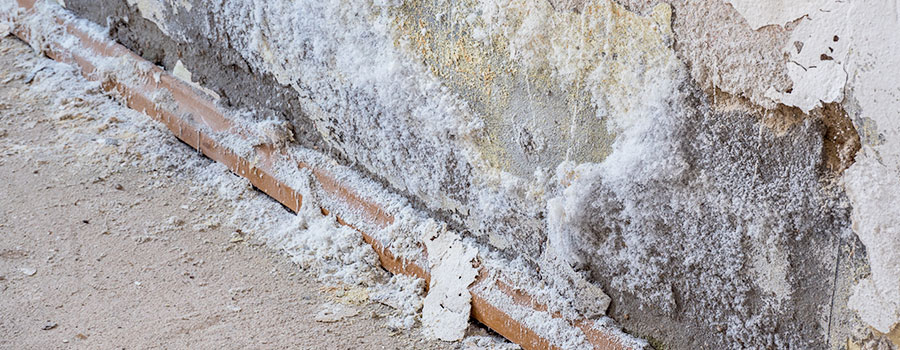
Another problem is called efflorescence; which are unsightly white, crystalline deposits that can form on any masonry surface. Many masonry primers are efflorescent-resistant and do a great job of keeping it from becoming a problem.
This is especially relevant in Pittsburgh, where a large share of homes feature brick or concrete block construction. Pittsburgh's humidity and seasonal temperature swings make efflorescence more common on local masonry surfaces and skipping a quality masonry primer on a Pittsburgh brick exterior is one of the fastest ways to end up with a failing paint job.
Stain-Blocking Primer
There are different types of stain-blocking primers for specific uses, but some of the more common situations where their use is necessary are: keeping water and smoke stains/damage from bleeding through the finish coat; painting over top of crayon, marker, or grease; and making a dramatic color change – especially when painting a lighter color over a much darker color.
Bonding Primer
Some surfaces are especially “slick” and pose a unique challenge for even the best primers when trying to get a coating to stick to them. Some examples would be factory coated metal sidings, ceramic tile, glazed block, plastic and vinyl shutters, and surfaces with a high gloss finish.
If you choose the correct bonding primer for your application you will be far more likely to get great adhesion of your finish coat to the surface.
Two Exceptions Worth Knowing:
- Multi-Purpose Primers have become very popular because of their universal application for a wide-variety of uses. A word of caution – some manufacturers have a tendency to oversell these products for situations that they are not necessarily a good fit for.
Before you grab a multi-purpose primer off of the shelf make sure that it specifically states on the label that it can be used for your intended purpose. When buying a multi-purpose primer go with a proven name brand such as Zinsser, Sherwin-Williams, PPG, or Glidden products. - Paint & Primer In One products are one of the newest and most-popular trends in the industry. What a great idea! Who wouldn’t want to make their painting project easier by using a product that primes while it paints?
While this concept is wonderful in theory, it has limited applications when it comes to actually holding up well to the test of time. Again, a good rule of thumb is to stick to the highest-quality manufacturers if you decide to use one of these products, and make sure you check the label to ensure it can be used for your intended application.
For exterior new wood applications, one of our favorites is Duration® by Sherwin-Williams.
As a general rule for interior wall painting - especially over new drywall or drywall patches - we consider these “primer-in-the-paint” products to be a total marketing gimmick. We would advise people to not think of these products as something that will save you a coat of primer, but instead think of them as an opportunity to use an additional coat of the same material instead of switching products between the base coat and the finish coats. On new drywall, you will use 3 coats of the finish material instead of a primer coat plus 2 coats of finish.
Do You Need Primer When Painting Over Existing Paint?
Most projects where you're going over a previously-painted surface do not require the use of a primer. In many cases all you'll need to do is spot-prime any bare areas that need to be addressed before applying your finish.
The exception: if the existing paint is glossy or oil-based, if there are visible stains (water, smoke, grease), or if you're making a significant color shift, especially from dark to light, primer is the smarter call even on a previously painted surface.
If you’re coating over any surfaces that have never been painted before, just follow the guide above to find the proper category of primer for your project and you can’t go wrong.
Get Help from a Local Pittsburgh Pro
If you're in the Greater Pittsburgh area, whether you're in the North Hills, South Hills, East End, or anywhere in between, ImageWorks Painting has been handling residential and commercial painting projects throughout the region for decades. We know what Pittsburgh's climate does to exterior paint jobs, and we know how to prep surfaces properly so your paint lasts. Contact us for a free consultation and quote on your next project.


Contact the Pros
Ready to get started with your next painting project but unsure if it is in your budget? Reach out to the expert painting team at ImageWorks Painting to schedule a free consultation today. Give us a call at 724-898-2446, or request a visit online.